San Jose garage door blog
Garage Door Guides for Safer San Jose Decisions
For San Jose homeowners, the strongest use of these guides is preparation, not risky self-repair. Note whether the door is fully closed, partly open, crooked, noisy, reversing, or refusing to move; then keep people, vehicles, and storage clear of the door path. That simple description helps separate spring balance, opener strain, sensor alignment, cable tension, roller wear, and track geometry before service is scheduled.
The San Jose Garage Doors blog is a practical guide library for homeowners who want to understand garage door symptoms before they call. It is not a replacement for professional service, and it does not ask readers to handle springs, cables, drums, bottom brackets, tracks under load, or opener force settings. The purpose is decision clarity: describe what the door is doing, understand which component category may be involved, and choose the safest next page or phone call.
Garage door problems often feel urgent because the door is large, heavy, and tied to daily access. A stuck door can block a vehicle. A door stuck open can create a security concern. A reversing opener can disrupt routines. The safest first move is not to force the system. Look at the door position from a safe distance, note whether it is level or crooked, listen for opener behavior, check for obvious sensor obstruction, and call with the facts you can see.
This guide library keeps the same truth standard as the service pages. San Jose Garage Doors is presented as a service-area business with a verified phone number, not as a fake storefront. The articles do not use fake ratings or fictional testimonials. Schema is kept aligned with visible content. That restraint is part of the quality system because accurate local service pages are stronger than pages padded with unsupported claims.
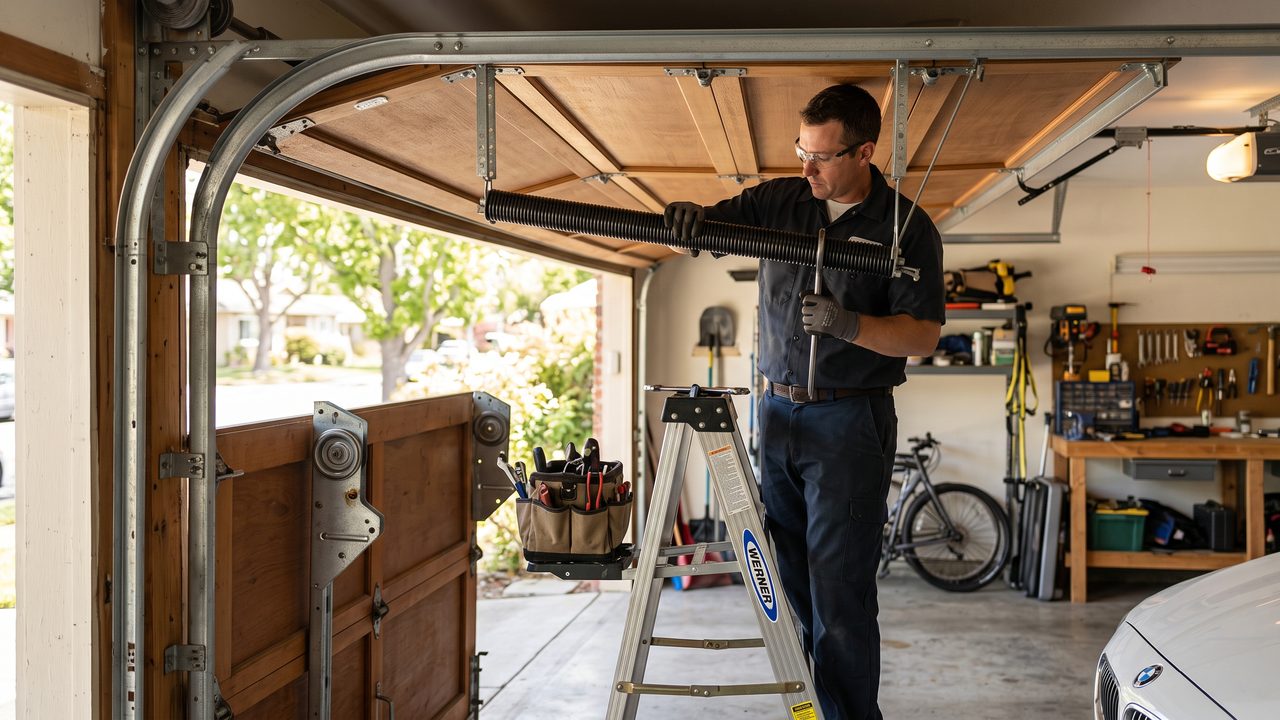
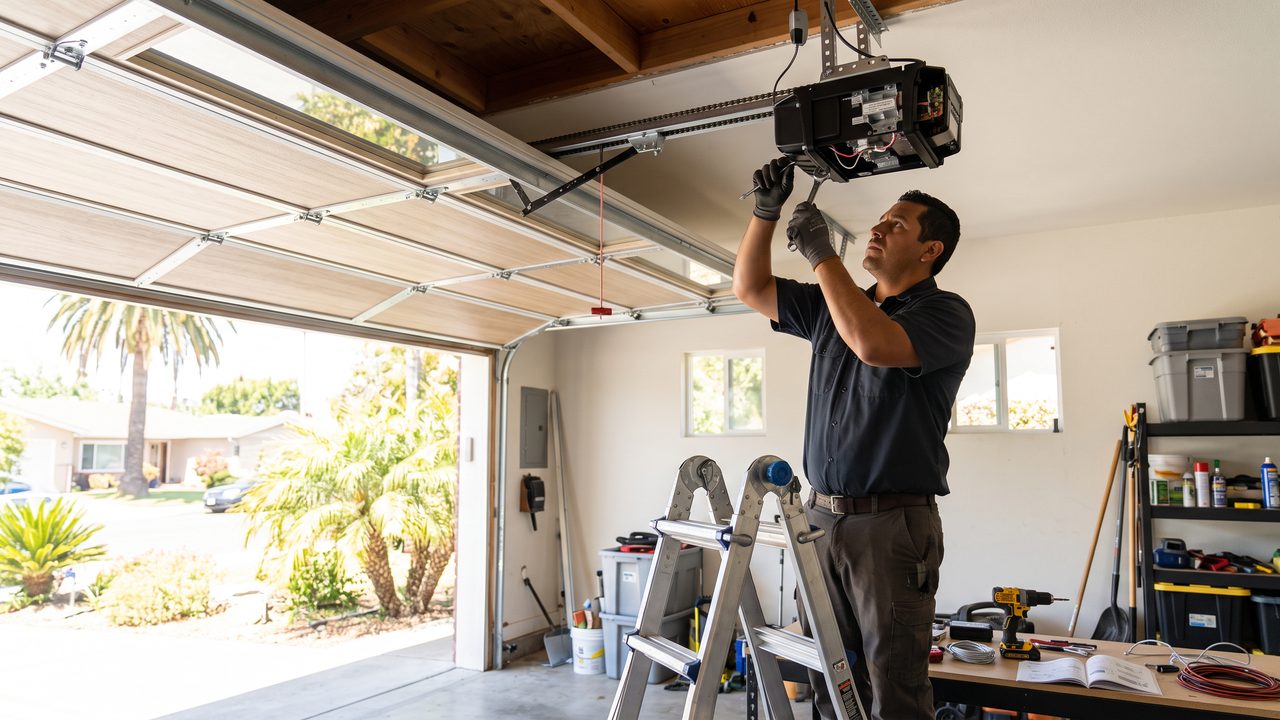
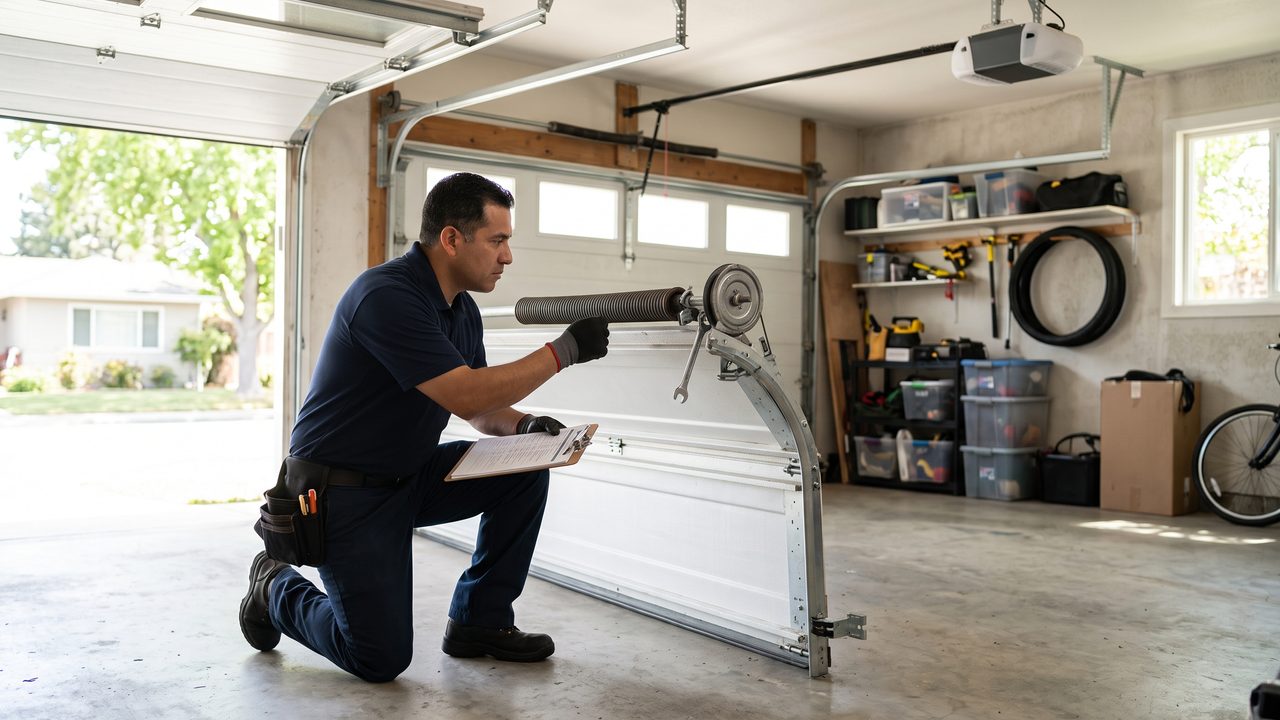
The first article focuses on spring safety because spring and balance problems can make a door unsafe to move. It explains visible warning signs, what details to collect, and what not to touch. The second article focuses on opener choices because many homeowners blame the opener when the door system itself may be the issue. Together they help separate high-tension hardware, door movement, sensor behavior, and motor features.
Use these articles with the service pages. If the door is heavy or a spring appears separated, start with spring repair. If the opener runs but the door does not move, read the opener guidance and still consider balance. If the door is crooked, look at cable and off-track pages. If the door reverses near the floor, review sensor and track possibilities. If the issue is a full replacement decision, compare installation and repair-or-replace guidance.
San Jose conditions can influence garage door wear. Heat, dust, compact garages, hillside driveways, older sections, and frequent daily use can all change how the door sounds and moves. The blog articles mention those conditions as context, not as exaggerated sales claims. A homeowner should be able to read a guide, understand the category, and call (408) 785-6114 with a simple, useful description.
The safest pattern is consistent: observe, do not force, call with details, and keep people clear of a door that may move unexpectedly. That is the reason this blog exists. It gives San Jose homeowners a place to learn enough vocabulary to ask better questions while staying away from risky mechanical instructions.
A local garage door guide should help visitors avoid the two most common mistakes: treating every symptom as an opener problem, and treating every noise as a spring problem. The blog index is organized so a homeowner can start with the visible behavior and then choose the most relevant service page. If the door will not open, the answer may involve balance, opener settings, power, rollers, or track drag. If the door will not close, the answer may involve sensors, travel limits, debris, damaged sections, or binding near the floor. Separating those possibilities keeps the first call calmer and more useful.
The San Jose service area also deserves clear geographic language. A page can be local without pretending to have a public storefront, and it can be useful without stuffing neighborhoods into every sentence. San Jose includes downtown garages, older detached structures, newer townhouse garages, hillside driveways, and dense residential streets where access and noise matter. Those details shape the way a homeowner describes the problem. The guides use them as context while keeping the safety rule consistent: observe only from a safe position and avoid loaded parts.
Many garage door decisions are connected. A spring article may lead to cable information because cables help transfer the spring force to the door. An opener article may lead to sensor guidance because opener complaints often appear during the close cycle. A replacement article may lead to weather-seal or insulation pages because comfort, daylight gaps, and curb condition can influence the decision. The blog index is therefore a routing page as much as a reading page, giving visitors paths to service information without overwhelming the first screen.
The site also avoids manufactured trust signals. A homeowner does not need a fake rating block to decide whether a safety guide is useful. The better signal is consistency: the same phone number, the same service-area boundary, the same caution around springs and cables, and the same contact form consent requirement appear throughout the site. When the visible content and structured data agree, the page is easier for visitors and search engines to understand.
Use the blog when you need vocabulary before a call. Use the service pages when you already know the likely category. Use the contact page when you want to describe the issue in detail. If the door is crooked, stuck open, stuck closed, heavy, loud, reversing, or associated with a visible cable or spring issue, call (408) 785-6114 rather than testing the system repeatedly. A garage door is heavy enough that repeated remote presses can turn a manageable repair into a broader hardware problem.
Future articles can expand this library with repair-or-replace decisions, seasonal maintenance, weather-seal questions, opener remote and keypad issues, noisy rollers, commercial door basics, and San Jose-area service planning. The editorial standard stays the same for each addition: useful homeowner context, no unsafe instructions, no fake business facts, and clear internal links to the matching service page.
The blog index is intentionally connected to the rest of the site because a garage door symptom rarely belongs to one isolated part. A noisy door might need roller and hinge inspection, but it might also reveal track rub, opener rail vibration, loose panel hardware, or spring imbalance. A stuck door might need cable correction, spring replacement, sensor review, or opener troubleshooting. The index helps visitors move from symptom to category without implying that a homeowner should perform the mechanical testing. That difference matters for safety and for honest service communication.
For San Jose homeowners, timing and access can change the decision. A garage door stuck closed before work creates a different planning problem from a noisy door that still moves. A door stuck open creates a security and weather concern. A reversing door may be inconvenient but also may be protecting the system from a bind or sensor problem. The articles use those situations to help callers prioritize the conversation: door position first, visible risk second, opener behavior third, and contact details after that.
The blog is also meant to reduce duplicate, doorway-style content. Each article has a narrow purpose, links to the matching service pages, and stays tied to San Jose conditions without pretending every neighborhood has identical garages. When new guides are added, they should earn their place by answering a real question: what can the homeowner safely observe, which component category may be involved, and what next page or phone call makes sense. That rule keeps the site useful as it grows.
Visitors should not treat any article as a repair manual for high-tension hardware. Springs, cables, drums, bottom brackets, and loaded tracks are deliberately described at the system level only. The safe homeowner role is to stop repeated operation, keep people away from the moving area, and describe symptoms. The professional role is to inspect, balance, adjust, repair, or replace components. The blog keeps that boundary visible because the right information should make a service call safer, not riskier.
The best use of this guide library is simple. Read the article that matches the symptom, write down what you can see without touching the door, and call San Jose Garage Doors at (408) 785-6114. If the issue is not urgent, the contact form can collect the same details with consent. If the door is heavy, crooked, stuck open, or associated with visible cable or spring damage, the phone path is the clearer route.
The index also gives future workers a clean expansion pattern. New articles should connect to a real service question, reuse the verified phone and service-area boundary, avoid claims that are not visible on the page, and include a clear next action. That keeps the blog from becoming loose filler. Every guide should help a San Jose homeowner decide whether the issue sounds like spring balance, opener behavior, sensor alignment, cable movement, panel damage, track geometry, maintenance, or installation planning, then route them to the safest contact path.